AIR TRAFFIC
MANAGEMENT
Every nation depends on safe, predictable airspace — but traditional ATM systems still leave gaps over oceans, mountains, and remote regions. Communication blackouts force procedural separations, GNSS interference is becoming routine, and many states rely on foreign-operated space services for core aviation safety functions.
GomSpace helps ensure sovereign oversight, continuous communication and safer, greener skies.

Continuous ATM Over
Remote & Oceanic FIRs
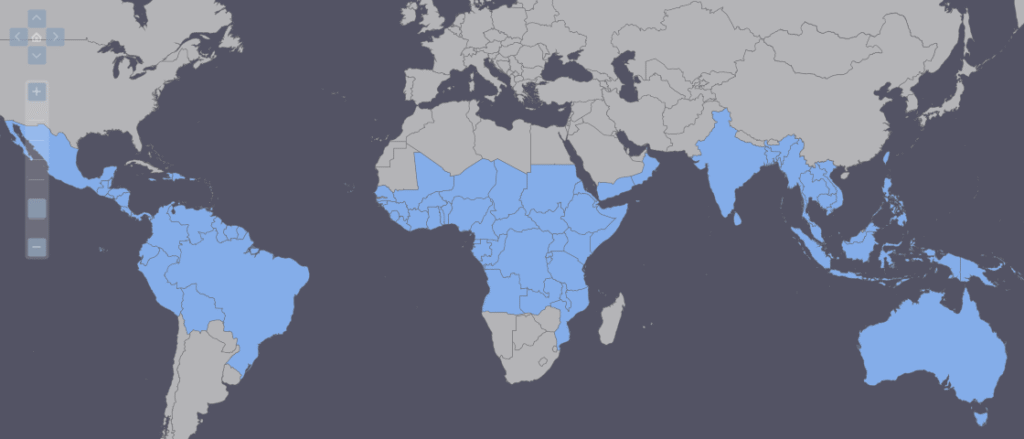
Large FIRs with oceanic or sparsely populated regions lack continuous radar and VHF coverage. Space-based ADS-B and VHF provide uninterrupted surveillance and controller–pilot communication across the entire FIR.
Impact: higher safety, fewer procedural separations, and more predictable operations over remote airspace.

Shorter Routes,
Lower Fuel Burn,
Reduced Emissions
Coverage gaps force aircraft onto conservative
routes and wide separations. With continuous
space-based surveillance and VHF, ANSPs can
reduce separation minima, enable more direct
routing, and dynamically optimise traffic flows.
Impact: shorter flight times, lower fuel
consumption, and measurable CO₂ reductions.
Resilient ATM During
GNSS Interference
or Infrastructure
Outages
GNSS jamming or terrestrial communication failures increasingly affect civil aviation. A sovereign space-based ATM layer provides independent surveillance and communication, allowing controllers to maintain safe separations and situational awareness even under degraded conditions.
Impact: continuity of safe operations when primary systems are compromised.

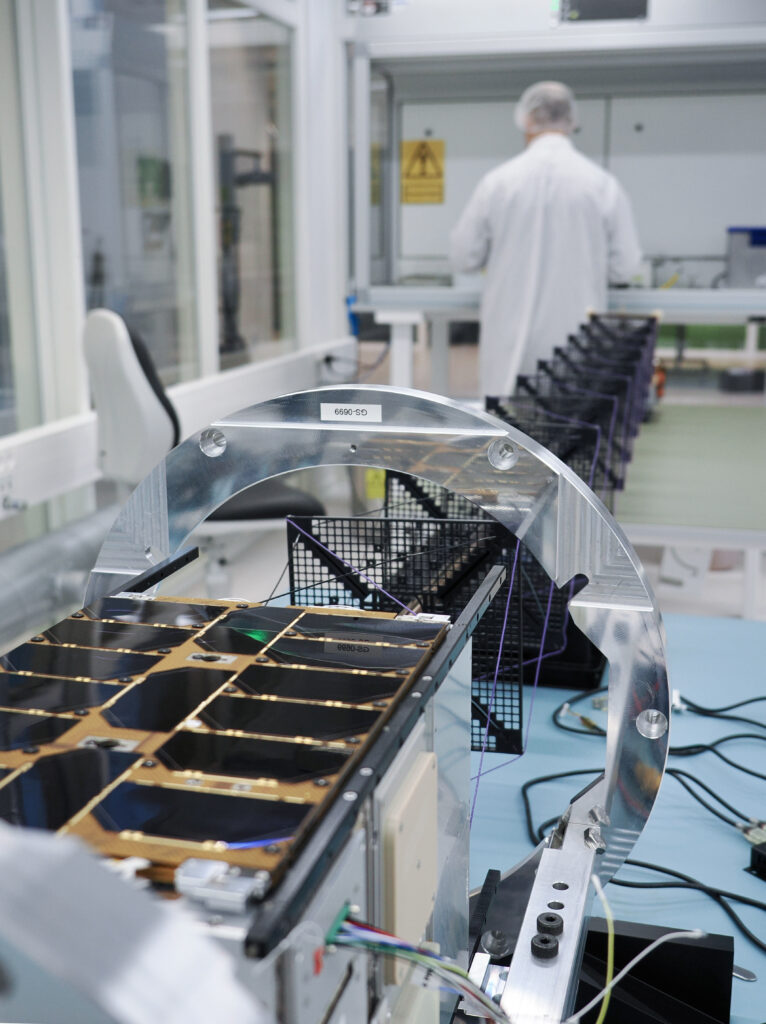
With the IOD-1 satellite, Startical has taken its first steps in space towards its vision of deploying a global constellation of small satellites to provide continuous real-time communication with aircraft over oceanic or remote areas where no such services are in operation today. We thank GomSpace for their dedication and constructive collaboration to reach this goal.
Juan Enrique González Laguna
Managing Director of Startical